

The Pokémon Video Game Championships (VGC) have a long and storied history, so before the 2026 Pokémon North America International Championships (NAIC) kickstarts a new era, we thought we’d take a trip down memory lane and reminisce on the most iconic moments of competitions past.
To help us tell these stories, we partnered with Len Deuel, Aaron Zheng, Evan Latt, Adam Dorricott, Labhaoisa Akcoş-Cromie, and Rosemary Kelley—all iconic competitors and casters from their respective eras. They will explore how the course of VGC history changed in their generation and share some of their favorite memories from that time.
Want to see modern VGC history being made? Tune into the 2026 NAIC from June 12 to 14 to witness Pokémon Champions change the metagame once again.
Notice: If you click on the YouTube video above, you will leave Pokemon.com. The Pokémon Company International is not responsible for the content of any linked website that is not operated by The Pokémon Company International. Please note that these websites' privacy policies and security practices may differ from The Pokémon Company International's standards.
The Sinnoh Generation
The era that began with the launch of the Pokémon Diamond and Pokémon Pearl games in 2006 laid the foundations of the modern VGC. From a gameplay standpoint, it’s the oldest generation that a current player could still play pretty comfortably. They’d just need a few reminders of mechanics that have changed since—the Steel type resisted Ghost and Dark, there was no dynamic Speed (meaning turn order wasn’t recalculated midturn due to changes in Speed stats), and Explosion was twice as strong (and everywhere?!). It’s also when video game competitions started being regularly held at Regionals, Nationals, and eventually Worlds with the 2009 World Championships.
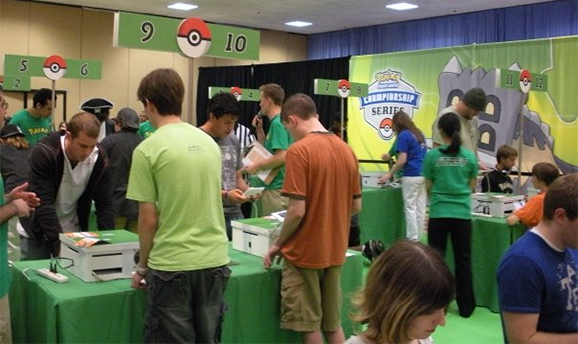
That isn’t to say a 17-year trip back in time wouldn’t come with some culture shock to modern players! Regionals were best-of-one single-elimination competitions—no Swiss rounds—with a closed team sheet. The absence of an in-game ladder meant that practice battles were found by asking friends and competitors for a match, powered by the newly introduced Wi-Fi features.
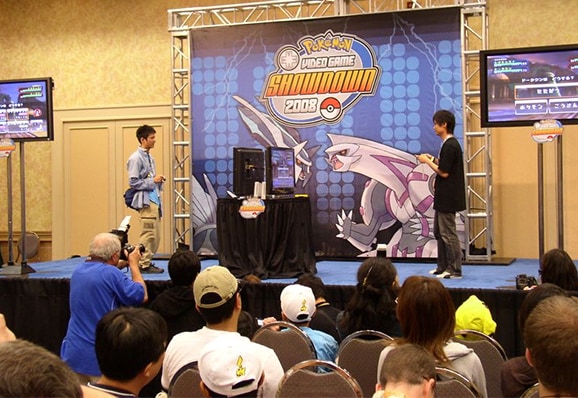
The biggest shock for a player making a Celebi-like jump back in time might be the lack of team preview, an element later introduced in Pokémon Black and Pokémon White. With no forewarning of what your opponent might have in store and a single game usually deciding the result, this generation became defined by iconic lead pairings that were (hopefully) prepared for anything. In 2008, a Smeargle and Bronzong lead carried Izuru Yoshimura to both the Japan National Championships and victory at the Pokémon Video Game Showdown, a precursor to the World Championships. Many other iconic pairings still have their names etched in VGC history, such as ZapChomp (Zapdos and Garchomp), TopOgre (Hitmontop and Kyogre), and AbomaTwo (Abomasnow and Mewtwo).
The Pokémon Diamond and Pokémon Pearl era is also when individual players started to build their legacies. The most defining of them is Ray Rizzo, who began his unmatched reign of Pokémon VGC supremacy by winning the first of his three consecutive World Championships in 2010. His team of Cresselia, Hariyama, Ludicolo, Dialga, Kyogre, and Groudon bucked the conventional wisdom of the time. It had no defining lead pairing, but it still maintained a clear strategy of prioritizing Trick Room, known by both Dialga and Cresselia. Kyogre and Groudon held items to halve their Speed, so they became more potent while Trick Room was active. This was especially effective in a format where most restricted Pokémon shared about the same middling Speed stat. Ray’s victory marked two out of three Worlds-level tournaments in the Pokémon Diamond and Pokémon Pearl era that were won by Trick Room–focused teams—which arguably haven’t achieved the same success since.
Overall, the Pokémon Diamond and Pokémon Pearl era feels like the beginning—the first Pokémon games to support online play, the first appearance of iconic Pokémon like Garchomp and Cresselia, the first successes for all-time great players like Ray Rizzo, and the first World Championships as we know them today.
Most Memorable Match: My semifinal match at the 2010 US National Championships, if it's not too gauche to bring up one of my own. This match had it all: a chanting crowd, a mid-game power outage leading to a replay of game three, and a dramatic comeback with a solo Blissey winning against both Kyogre and Mewtwo. What more could you want!
MVP Pokémon: It has to be Cresselia, one of the best in both the restricted and nonrestricted formats.

Most Underrated Pokémon: Yanmega in 2009 and Parasect in 2010.
The Unova Generation
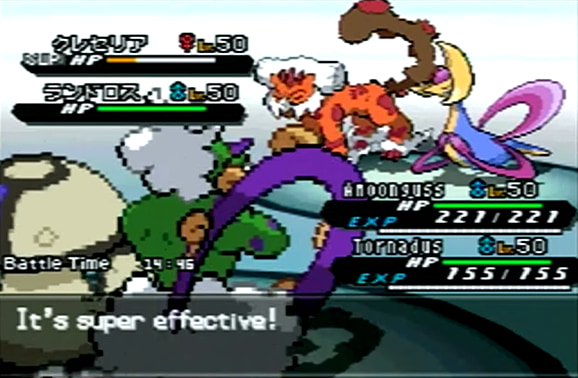
Pokémon Black and Pokémon White introduced 156 newly discovered Pokémon, many of which would go on to define generations of VGC , including Tornadus, Thundurus, Amoonguss, and Whimsicott. The games also introduced gems, consumable held items that boosted the damage dealt by the first move of a specific type by 50 percent. Top teams had to respect boosted attacks like Flying Gem Tornadus’s Acrobatics or Dragon Gem Latios’s Draco Meteor, though gems generally felt less central to teambuilding than mechanics like Dynamax would in a later era. Most top teams only ran one gem on average.
The first Pokémon Black and Pokémon White format used the Unova regional Pokédex. Players gravitated toward fast-paced, aggressive offense built around Pokémon like Thundurus, Tornadus, and Terrakion, often paired with gems to maximize damage.
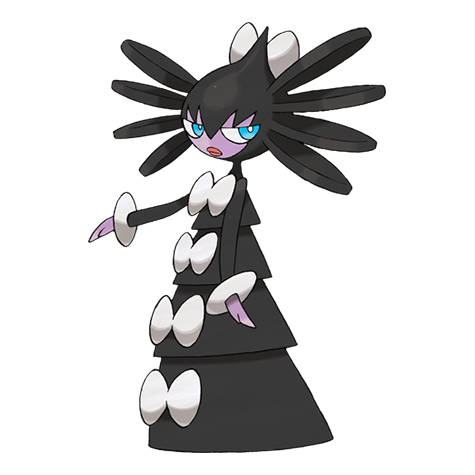
Ray Rizzo flipped the script at the 2011 World Championships, winning his second consecutive Worlds title with a defensive team featuring unique picks, such as Gothitelle, Escavalier, and a bulky, utility-focused Charti Berry Thundurus running Thunder Wave and Substitute. That Thundurus set became the competitive standard for years to come, and it remains one of his most lasting contributions to the game. In a format that often felt decided by Speed ties, Ray played the game on his own terms, showing that defense can win championships, too.
The 2012 and 2013 formats opened up the National Pokédex, bringing in staples like Hitmontop, Garchomp, Cresselia, Tyranitar, and Latios. Ray dominated once again in 2012, winning the World Championships without dropping a single set—a feat that wouldn’t be replicated until Eduardo Cunha's run in 2022. His team found the most optimal way to use the best Pokémon in the format, combining picks like Dragon Gem Hydreigon with a Swagger Cresselia and Lum Berry Metagross combo that could swing games on its own. In the finals, Ray defeated the then up-and-coming Wolfe Glick to claim his third World Championship.
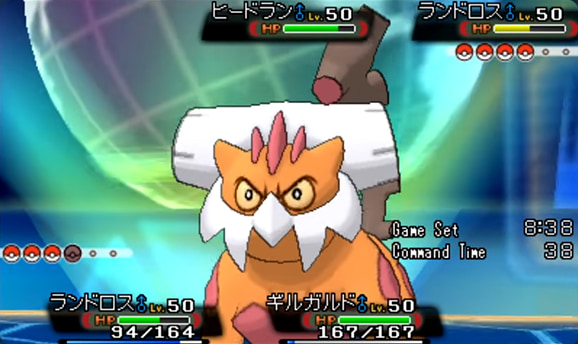
The 2013 format introduced new Hidden Abilities, Move Tutor moves, and the Therian Forme Pokémon. Tornadus and Thundurus already got to shine in Incarnate Forme in 2011 and 2012, and it was finally time for Landorus to get some of the spotlight. Therian Forme Landorus instantly stole the show. Its Intimidate Ability and incredible move pool quickly made it one of the best Pokémon in the format, displacing Garchomp as the premier Earthquake user. Other sets, like Iron Fist Conkeldurr and Eruption Heatran, would go on to define the format offensively.
The 2013 Pokémon World Championships were historic for multiple reasons. It was the first time Worlds was held outside the US, with Vancouver, Canada, playing host. It was also the first Worlds with an official Pokémon stream and the first Worlds won by a European player. Arash Ommati claimed the title using Choice Scarf Mamoswine as a clever anti-meta pick against Therian Forme Landorus and Thundurus. The Top 8 also featured several memorable and unusual picks, including Ben Gould’s Rhydon, Sejun Park’s Magmar and Marowak, and Matthias Helmholdt’s Sableye.
Looking back at the Pokémon Black and Pokémon White era, a few things stand out: Ray Rizzo’s unmatched dominance, Arash Ommati’s historic victory, the emergence of future icons and World Champions Wolfe Glick and Sejun Park, and Unova gifting VGC some of its most enduring staples in Tornadus, Thundurus, Whimsicott, and Amoonguss.
Most Memorable Match:Aaron Zheng vs. Ryosuke Kosgue, 2013 World Championships Top 4...for no particular reason.
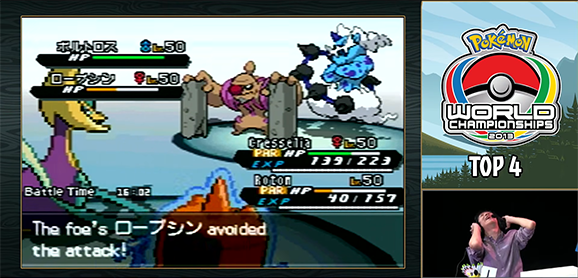
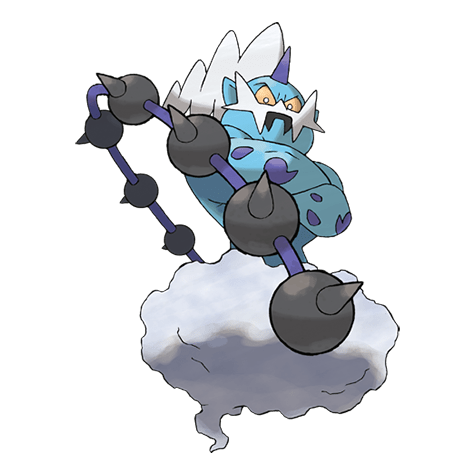
MVP Pokémon: Thundurus.
Most Underrated Pokémon: Escavalier.
The Kalos Generation
Trainers competing during the Kalos era saw possibilities on the horizon. With Ray Rizzo’s unprecedented and unmatched three World Championships titles in the rearview mirror, Trainers stepping into Lumiose City knew that this was their time. Their legends were ready to be built, their achievements so close to reality.
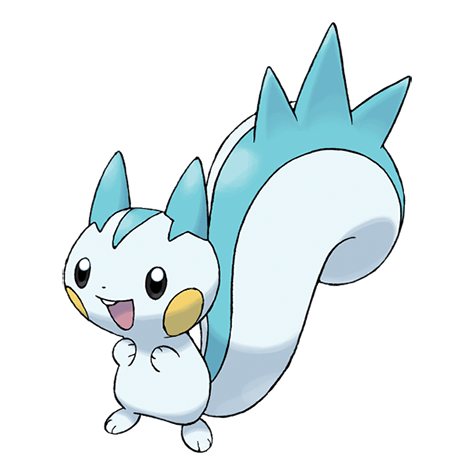
Mega Evolution promised to shake up the game, and competitors were excited to see some of their old favorites return to relevance. Team stars like Mawile, Charizard, Blastoise, Tyranitar, and Gyarados used their new Mega Evolutions to make it to the top tables at the 2014 Pokémon World Championships, but all the Mega Power in the world couldn’t stop the breakouts of the 2014 season: Sejun Park and his Pachirisu.
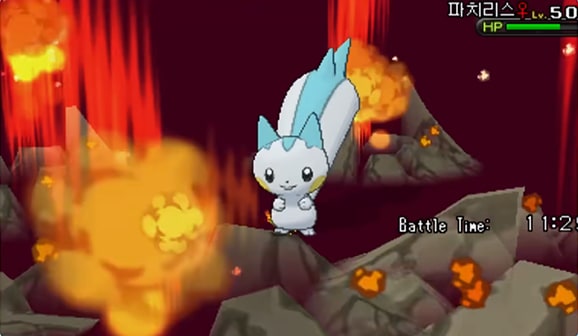
In the finals, Pachirisu dramatically survived a Salamence’s Draco Meteor, one of the most powerful attacks in the format, and allowed its partner Garchomp to pick up a double KO, winning the World Championships in a moment that would put VGC on the map and cement Sejun and his Pachirisu as new legends.
One of the great joys of watching competitive Pokémon develop across an era is getting to see the ways it sways back and forth between different archetypes like a pendulum. In 2014, Mega Kangaskhan was a dominant force during the Regionals and Nationals sequence of the circuit but found itself crowded out by counters at the World Championships. But in 2015, it all swung back the other way as the notorious CHALK archetype was born: the potent core of Cresselia, Heatran, Amoonguss, Therian Forme Landorus, and Mega Kangaskhan.
You can go in-depth on the creation and ripple effects of CHALK in episode 10 of the Pokémon Championships History series, but after being shut out of the top cut in 2014, Kangaskhan took six out of eight top cut positions at the 2015 World Championships. Shoma Honami and his version of the CHALK core took home the championship, making Shoma the first Japanese player to win a World Championships in the Masters Division—a fitting cap to a season that saw Japan roar back into dominance by claiming seven of eight spots in the top cut.
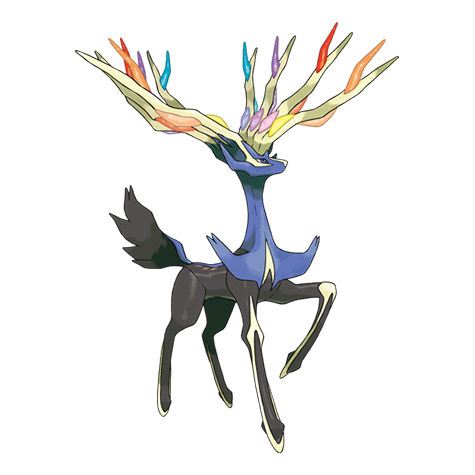
Finally, we sent Kalos off with a bang with the second-ever dual restricted Pokémon format, allowing twice as many of the most powerful Pokémon to see play. Pokémon Omega Ruby and Pokémon Alpha Sapphire introduced three new restricted Pokémon that dominated the competitive scene: Primal Groudon, Primal Kyogre, and Mega Rayquaza. In fact, the entire top cut at the 2016 World Championships used some combination of these three alongside Xerneas.
It’s said that history doesn’t repeat, but it does rhyme, and it certainly did in 2016 when a previous Worlds finalist claimed his first championship with the help of an Electric-type rodent. This time, Wolfe Glick added his name to the history books with Raichu. Baris Akcos and Markus Hamann also made the top cut with the same team as Wolfe, in a fascinating example of how far a little outside thinking can get you in a centralized meta.
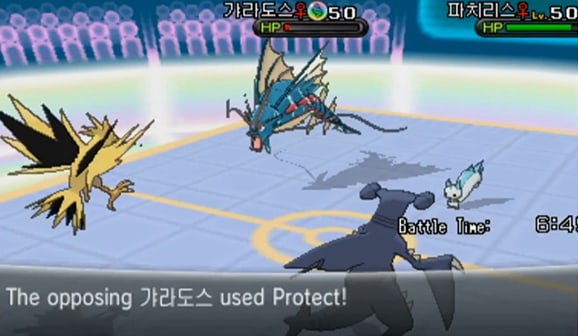
Most Memorable Match: Omari Travis vs. Sejun Park, 2014 World Championships, Day 2, Round 3. Real ones already knew Pachirisu’s strength by the time Sejun made the finals, because of his iconic match with one of America’s best, Omari Travis, that showcased Pachirisu’s defensive prowess in a slow, positional match.
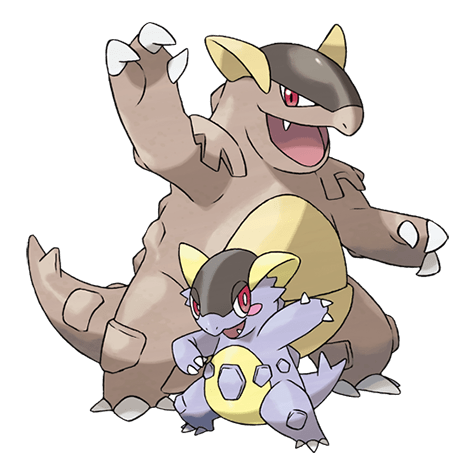
MVP Pokémon: Mega Kangaskhan. There couldn’t be another. A relevant, often metagame-defining threat across all three competition years, Mega Kangaskhan cannot be denied.
Most Underrated Pokémon: No one remembers the Mega-Evolved Pokémon that was on Sejun’s championship-winning team. It was Mega Gyarados. Mega Gyarados could’ve benefited from more exploration, but it didn’t get much even after becoming a World Champion.
The Alola Generation
The year was 2017, and VGC Trainers were charging into the Alola region, posing on stages worldwide while launching Z-Moves at their opponents. The concept was simple—a Pokémon holding a Z-Crystal could turn a move into its much more powerful Z-Move equivalent once per battle. The stronger the base move, the higher the Z-Move’s damage, with some Z-Moves easily beating out Hyper Beam or Giga Impact. With only one use allowed per game, it was a key part of any strategy. Connect, and you could gain a huge upper hand by easily knocking out an opponent that could have absorbed a regular move. But protective moves would prevent 75 percent of the damage, and type immunities would negate Z-Moves entirely, so you still had to think carefully.
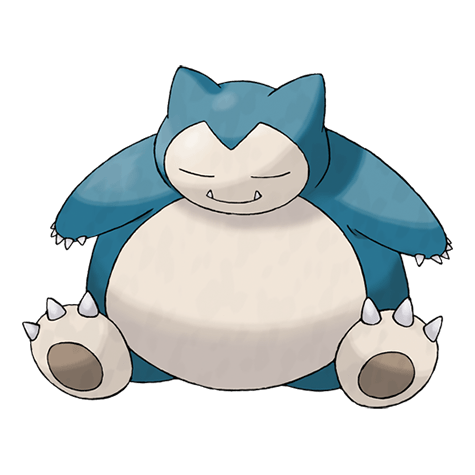
These moves were flashy and impactful, and brought new challenges in teambuilding. We also can’t forget about the unique Z-Moves for specific Pokémon! Pulverizing Pancake for Snorlax, Extreme Evoboost for Eevee, and Clangorous Soulblaze for Kommo-o are particularly memorable examples.
Z-Moves really shined in 2017, when Trainers were limited to only Pokémon available in the Alola Pokédex. There was one other key restriction that pushed Z-Moves to the forefront of Trainers’ minds while teambuilding—Mega Stones were not permitted, so many Pokémon had a different outlook. Freeing up those item slots allowed teams to use Z-Crystals with ease, with many successful teams even taking two into battle to expand their options. The limited format also encouraged Trainers to try out new strategies and dig deep through the islands of Alola to find a unique pick or unexpected Z-Move user to surprise their opponents. While many gravitated to classics, such as Gigavolt Havoc with Tapu Koko or Twinkle Tackle with Tapu Fini or Tapu Lele, some brave Trainers did try to make Bloom Doom work with Tapu Bulu.
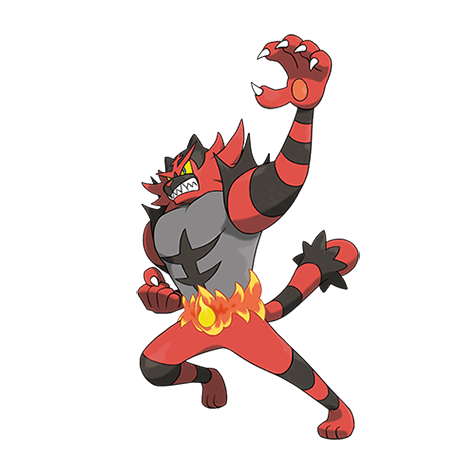
The 2018 season opened up the National Pokédex with the release of Pokémon Ultra Sun and Pokémon Ultra Moon, brought back Mega Evolutions, and, of course, changed VGC forever by giving us Incineroar with Intimidate late in the season. Z-Moves became slightly less important but still made an appearance as a key part of any successful team. The 2019 season brought restricted Pokémon duos back to the table, with rotating rulesets throughout the season that first banned Mega Stones and Z-Crystals, then allowed Z-Crystals, and then finally allowed both. Z-Moves were back, but this time often used by restricted Pokémon for devastating effects. While a Neverending Nightmare was good, it wasn’t quite as good as a Menacing Moonraze Maelstrom. The format had a lot going on and pushed Trainers to the absolute limit of teambuilding. It was also the first year that Trainers couldn’t get comfortable with one team all year, as the move between the Sun Series, Moon Series, and Ultra Series kept them on their toes—something they’d have to get used to moving forward.
Z-Moves were an awful lot of fun and certainly made their mark in those years. While impactful in battle, I’ll never forget seeing Trainers hit the poses that accompanied Z-Moves, and I was lucky enough to call out some of the most fun move names in the game. This era was a great time to be playing VGC.
Most Memorable Match:Ryota Otsubo vs. Sam Pandelis in the 2017 World Championships finals. It was an incredibly close set, with surprise picks in both Pokémon and moves along with some very fun interactions.
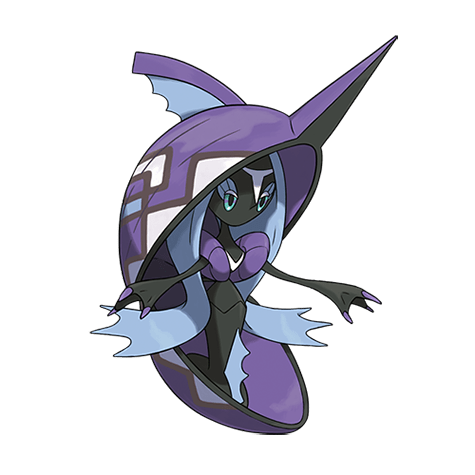
MVP Pokémon: Tapu Fini had longevity across the formats and was a key part of the battle to maintain terrain. It stands up to Tapu Koko as one of the best new Pokémon introduced.
Most Underrated Pokémon: Buzzwole was always a favorite of mine. The design was incredible, it was a successful Bug type, and it could truly swing games if an opponent was unprepared for it.
The Galar Generation
Pokémon Sword and Pokémon Shield was an era of unprecedented firsts! From new tournament types to a new battle mechanic with the Dynamax phenomenon (and Gigantamax Pokémon too), this chapter of Pokémon history truly was a champion time!
With the Dynamax phenomenon, a Trainer could make one Pokémon appear giant for three turns once per battle, increasing its HP and turning its moves into powerful Max Moves. These Max Moves could affect all kinds of factors in battle, such as terrain, weather, or stats. Momentum could swing at the click of a button, and Trainers were thorough in exploring every possibility that Dynamaxing could create.
Despite Dynamax Pokémon enabling one of the most creative and memorable eras in competitive Pokémon, Pokémon Sword and Pokémon Shield were only able to host one Pokémon World Championships. In the buildup to this illustrious event, the Players Cups became the heart of competitive VGC. In-person events were on hold, so online tournaments replaced the live circuit, giving players a new way to compete and test their competitive limits.
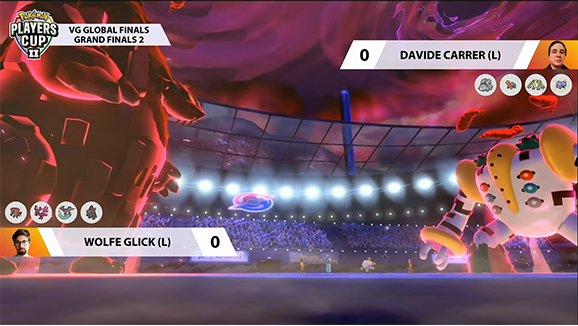
One of the most iconic victories was Wolfe Glick’s Players Cup II triumph, showcasing the power of Gigantamax Pokémon: certain Pokémon that took on a new form and unlocked a unique G-Max Move when Dynamaxed. Coalossal perfectly represented the flexibility of the Dynamax era. With Steam Engine, Weakness Policy, and Surf or Aqua Jet support from partners like Dragapult or Urshifu, Coalossal could suddenly become fast and powerful, and it could create a persistent threat on the field with G-Max Volcalith. Wolfe’s win showed that Dynamaxing could etch any Pokémon into the Hall of Fame if the Trainer and teammates provided the right strategy and support.
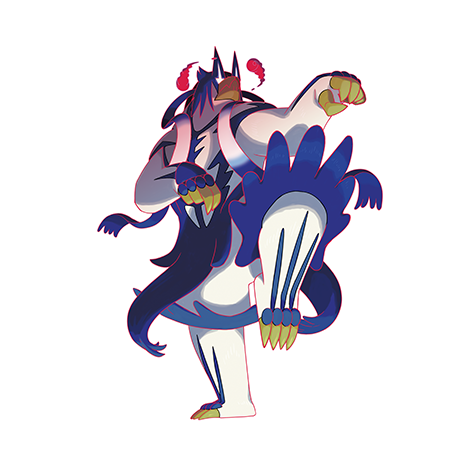
As the format moved toward Worlds 2022, restricted Pokémon took center stage. The Hero of Many Battles earned its name when Zacian arose to become the face of the game. Despite not being able to Dynamax, Zacian had other talents. Its Intrepid Sword Ability, the Behemoth Blade move, a fortuitous combination of the Fairy and Steel types, and immediate offensive pressure made it the most reliable restricted Pokémon in the game.
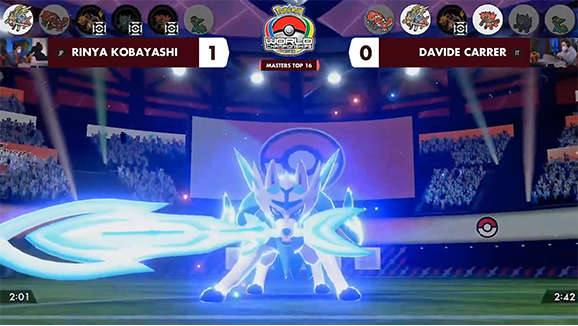
The metagame shifted constantly around Zacian, but one archetype became especially famous: Rinya Sun. Composed of Zacian, Groudon, Charizard, Incineroar, Grimmsnarl, and Gastrodon, its success started after Rinya Kobayashi used the team to place 6th in the February 2022 International Challenge, and it soon became one of the defining teams of the series. Its biggest success was at Frankfurt in 2022, where Eric Rios used this iconic lineup to win the Europe International Championships over Oliver Eskolin.
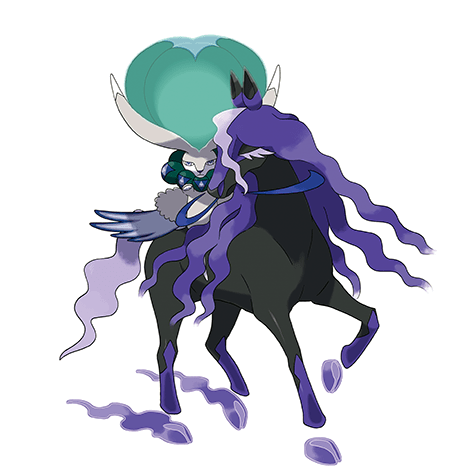
At the 2022 World Championships, Eduardo Cunha won with a different kind of Zacian team: Zacian, Shadow Rider Calyrex, Incineroar, Rillaboom, Gastrodon, and Thundurus. It still used Galar’s greatest Pokémon but moved away from the Groudon-Charizard sun core and leaned into Speed, relentless offensive pressure, and careful positioning to win the only VGC World Championship of this era.
One World Championship. Three years of innovation. Countless legendary moments. The Pokémon Sword and Pokémon Shield era remains one of the most memorable eras competitive Pokémon has ever seen.
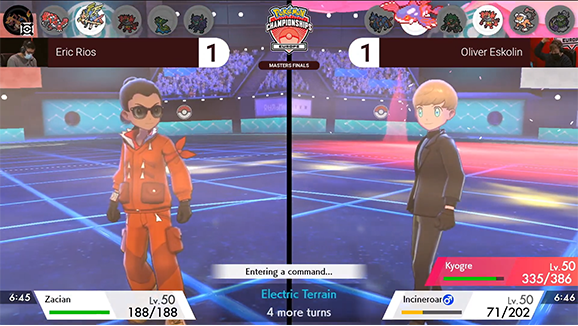
Most Memorable Match: For me personally, it’s Eric Rios vs. Oliver Eskolin in the EUIC 2022 finals. It combined the return of live events, a sun vs. rain matchup, and amazing veterans of the competition. For me, it felt like an inspiration point in the run up to Worlds that year.
MVP Pokémon: Zacian. Need I say more? Its Intrepid Sword Ability and power to take down Dynamax Pokémon was incredible!
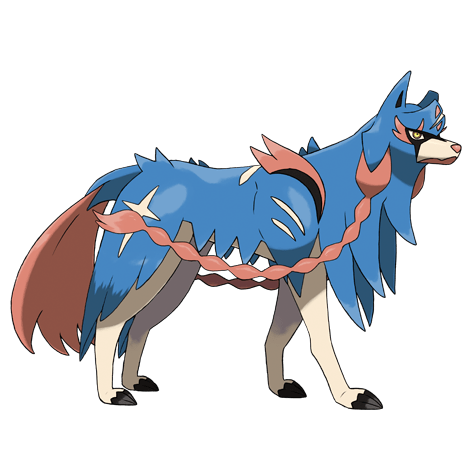
Most Underrated Pokémon: I wanna say Gastrodon, but it won Worlds, so I guess it’s not underrated! I’ll say Ditto—it was hard to position, but when you could set it up right, it was like having a third restricted Pokémon.
Paldea Generation
On November 18, 2022, Pokémon Scarlet and Pokémon Violet launched on Nintendo Switch. With that came the introduction of a new battle mechanic: Terastallization.
Pokémon gained the ability to change their type into any type available in the game by Terastallizing into their Tera Type—18 unique possibilities, or 19 once the DLC added the Stellar Tera Type to the mix. Like Dynamaxing, Terastallization was available to any Pokémon without requiring a special held item to activate it, and only one Pokémon could Terastallize each battle. Trainers had to make strategic decisions on when to use Terastallization and what Tera Type to choose—a defensive Tera Type, like Ghost to get around Fake Out, or an offensive one, such as a Tera Type matching the Pokémon’s original type to amplify damage output.
Competitive Pokémon diversity reached a new high in Paldea. For example, Ice-type Pokémon have not historically been the most popular or dominant competitively, but with Terastallization and the change from hail to snow, Alolan Ninetales dominated the metagame at some points, and Articuno even became a Regional Champion.

The Legendary Pokémon introduced during this era were incredibly viable competitively. Another powerful Ice type, Chien-Pao, was one of the four Treasures of Ruin, and all four would go on to see competitive play. Miraidon and Koraidon, featured on the games’ covers, both became World Champions. They also built legacies for another group of Pokémon introduced this generation: Paradox Pokémon.
Miraidon’s unique Ability, Hadron Engine, set Electric Terrain upon hitting the field, which enabled Paradox Pokémon from the future to get a boost to their highest stat with their Quark Drive Ability. Koraidon’s Ability, Orichalcum Pulse, similarly set the harsh sunlight that gave Paradox Pokémon from the past a similar stat boost with Protosynthesis. Flutter Mane and Iron Hands are standouts for the most impactful Paradox Pokémon, but almost all of them had their time to shine.
Pokémon Scarlet and Pokémon Violet may be most memorable, however, for the introduction of the open team sheet format in the Pokémon Championship Series. Previously, tournaments were held with a closed team sheet format, meaning that all details regarding a team’s moves, items, and Abilities were hidden. Trainers had to discover those details during a match, and it was easy to get surprised by an unexpected move on a Pokémon. In an open team sheet format, all those details, including Tera Types, became available before the match started, so Trainers had more information to generate gameplans in advance.
Open team sheets rapidly raised the skill floor of Trainers. It became clear which competitors were considered elite—the ones who were able to use the additional information to have historic and consistent top cut performances. Wolfe Glick, World Champion from 2016, won an unprecedented tenth Regional Championship during this era. Marco Hemantha Kaludura Silva quickly solidified a place as one of the top competitors from Europe, winning two International Championships in the Masters Division for a grand total of three.
Terastallization may be gone for now, but who knows what we will see return in Pokémon Champions—and which Trainers will join the top ranks.
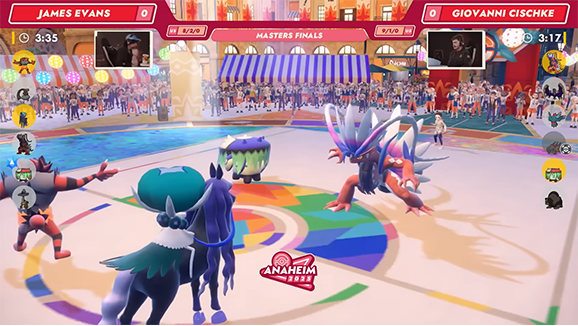
Most Memorable Match:James Evans vs. Giovanni Cischke at the 2025 World Championships. Both Trainers showed up with their love for the then-underrated Koraidon and showed off during the first-ever World Championship finals held in an arena. The crowd was electric! It made me excited about what will happen in the future.
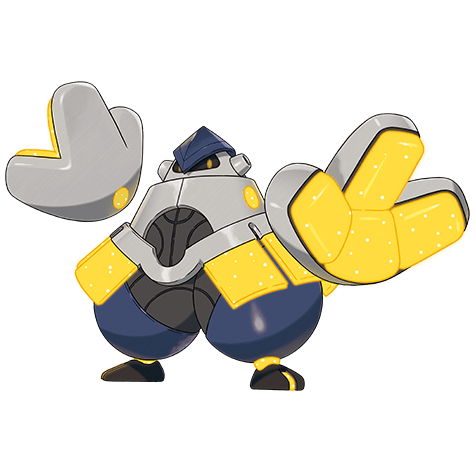
MVP Pokémon: Flutter Mane and Incineroar.
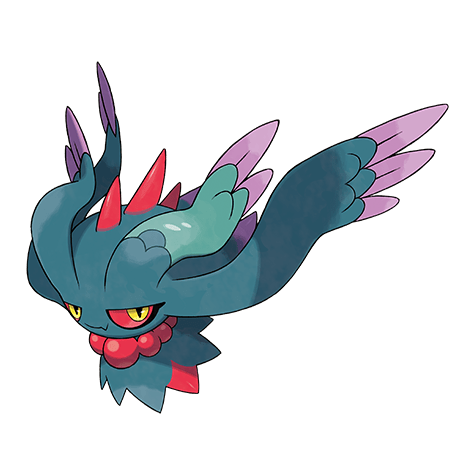
Most Underrated Pokémon: Naming the most underrated Pokémon is difficult! I wish Iron Thorns could have worked out for someone.
The Future of VGC
The landscape of Pokémon VGC is ever-changing, and it’s always a good idea to look back and see how far we’ve come. We’re very thankful for the insights and perspectives of these legendary casters!
What history-defining moments will happen at the 2026 Pokémon North America International Championships? To find out, you’ll have to tune in June 12–14, 2026.

Len Deuel
Len Deuel
Len Deuel is a longtime VGC competitor who first played in the World Championships in 2009, and has won two Regional Championships. Since 2023, he’s also been an official Play! Pokémon commentator, helping to share the strategic depth of competitive Pokémon with more fans of the game.

Aaron Zheng
Aaron Zheng
Aaron is a Video Game Championships (VGC) competitor, commentator, and content creator. He has been competing in the VGC since 2008. Since then, he’s won five Regional Championships and two National Championships. He has also qualified for eight World Championships and placed third at the 2013 Pokémon World Championships. In more recent years, Aaron has been focused on creating online content. He joined the live commentary team for VGC streams in 2016.

Evan Latt
Evan Latt
Evan Latt is a Play! Pokémon commentator who's been playing Pokémon since Pokémon Blue and competing in the Video Game Championships since 2010. He has been a part of the commentary team for International- and Worlds-level competitions since 2013. Outside of Pokémon, he works in grassroots electoral politics and can be found online as NBplaid.
Adam Dorricott
Adam Dorricott
Adam is a former commentator for the VGC circuit from 2017–2023 after a playing career that started in 2010. He also covered the Pokémon TCG briefly in this time. He remains involved casually to this day with a new verve for the game since the release of Pokémon Champions. Adam is determined to make the most obscure Bug-type Pokémon successful, with a special, almost lifelong passion for Durant. He does wear his passion to make Beedrill succeed on his sleeve at all times, as well.

Lou Akcoş-Cromie
Lou Akcoş-Cromie
Lou Akcoş-Cromie has been an official Play! Pokémon commentator since 2017 and has been honored to cast multiple International and World Championships in her career so far. As the #1 East Sea Gastrodon fan, she is always excited to see her favorite Pokémon do well, but is also intrigued by off-meta picks that catch her by surprise! Outside of Pokémon, you can most likely find Lou surrounded by cats or teaching English and Debate in the school classroom.
Rosemary Kelley
Rosemary Kelley
Rosemary "Nekkra" Kelley is a full-time commentator and Pokémon content creator. She started competing in 2014, joined the official Play! Pokémon broadcast team in 2019, and has cast multiple International Championships and World Championships since. Rosemary's favorite Pokémon is Sylveon. When she's not trying to make Sylveon work, Rosemary enjoys playing and commentating other strategy games.
